Streamlining Dining: How a Food Ordering System Transforms Your Website
In the digital age, convenience is king—and the food industry is no exception. As customers grow accustomed to fast, user-friendly online services, restaurants and food businesses are stepping up their game. One of the most impactful ways to meet this demand is by integrating a food ordering system into your website.
What Is a Food Ordering System?
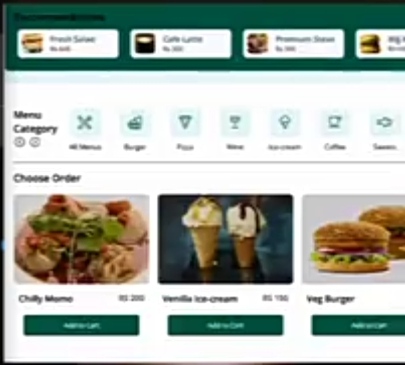
A food ordering system is a digital platform that allows customers to browse a restaurant’s menu, place an order, and make payments online—either for pickup, delivery, or even dine-in. It replaces traditional phone orders with an intuitive and streamlined digital experience.
Key Features of a Food Ordering System
A well-designed food ordering system includes:
Interactive Menu: Visually appealing and easy to navigate, allowing users to customize orders.
Real-Time Availability: Automatically updates item availability to prevent ordering out-of-stock items.
User Accounts: Lets customers save past orders, delivery addresses, and preferences.
Online Payment Integration: Supports multiple payment methods (credit card, wallet apps, etc.).
Order Tracking: Gives real-time updates from order confirmation to delivery.
Admin Dashboard: For restaurant owners to manage orders, inventory, analytics, and promotions.
Benefits for Businesses
- Increased Efficiency: Automates order processing, reducing errors and saving time.
- Higher Sales: Offers upselling opportunities through combos, suggested add-ons, and discounts.
- Improved Customer Experience: Gives customers control, transparency, and convenience.
- Data Insights: Tracks order trends, peak times, and customer preferences for better decision-making.
- Brand Presence: Keeps your business competitive and tech-savvy, improving customer trust and loyalty.
Why Add It to Your Website?
Third-party delivery apps charge high commission fees and limit your control over customer data. A food ordering system on your own website gives you:
Full control over branding
Lower operational costs
Direct customer engagement
Better profit margins
Getting Started
To implement a food ordering system, consider:
Using ready-made solutions like Square, Toast, or GloriaFood
Hiring developers to build a custom solution tailored to your needs
Integrating with existing POS and inventory systems for seamless operations
Make sure your website is mobile-optimized, secure (HTTPS), and user-friendly—since most food orders now come from smartphones.
Final Thoughts
Adding a food ordering system to your website is no longer optional—it’s a strategic move to stay ahead in a fast-paced digital world. Whether you’re running a small café or a large restaurant chain, investing in this technology not only improves customer satisfaction but also boosts your bottom line.